
At a Glance
| Feature | Detail |
|---|---|
| Full name | Mitochondrial Open Reading Frame of the 12S rRNA-c |
| Source | Encoded in mitochondrial DNA (12S rRNA region) |
| Primary mechanism | AMPK activation → improved metabolic flexibility |
| Key effects | Insulin sensitisation, exercise mimicry, anti-inflammatory, lifespan extension (rodents) |
| Route | Subcutaneous injection (research use) |
| Typical dose range | 5–10 mg per week (divided dosing) |
| Evidence level | Preclinical + early human studies; not FDA-approved |
| Pillar | Peptides / Longevity |
MOTS-c sits at an unusual intersection: it is both a peptide and a hormone-like mitochondrial signal. Discovered in 2015 by Lee et al. at the USC Davis School of Gerontology, it was the first peptide found to be encoded by mitochondrial DNA rather than nuclear DNA — a distinction that carries deep evolutionary implications. Where most peptide research follows a pharmaceutical-design logic (synthesise a molecule, find a receptor), MOTS-c emerged from the discovery that our ancient energy organelles speak a language of their own. That language turns out to be extraordinarily relevant to the conditions that define modern metabolic suffering: insulin resistance, obesity, age-related muscle loss, and chronic low-grade inflammation.
In integrative and longevity medicine, MOTS-c is attracting serious clinical attention precisely because it appears to activate pathways we have long tried — with limited success — to target pharmacologically. Understanding it requires a brief tour of mitochondrial biology, after which the clinical relevance becomes self-evident.
The Biology: What Makes MOTS-c Different From Other Peptides
A Peptide Encoded in Mitochondrial DNA
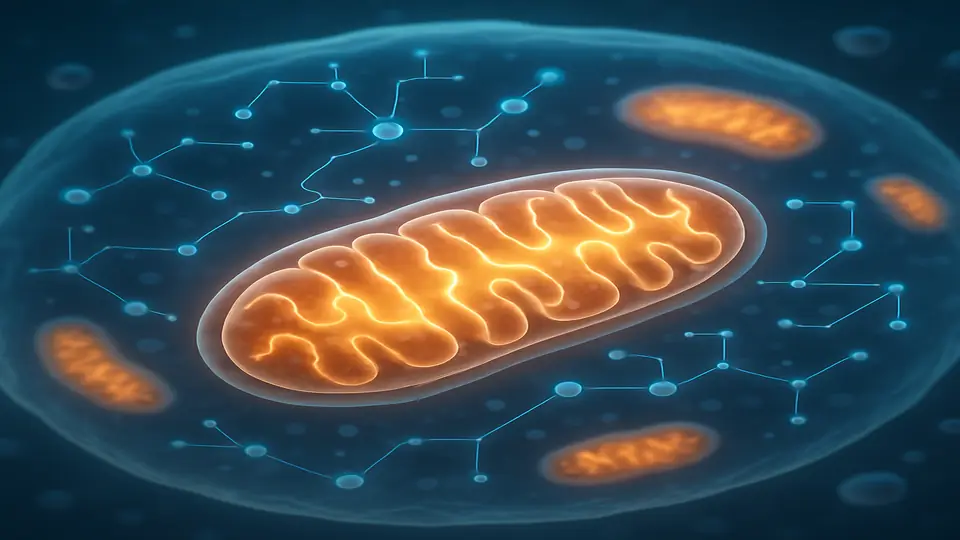
Human mitochondria carry their own genome: a compact, circular strand of DNA (mtDNA) encoding 37 genes. For decades, researchers assumed this genome coded only for the 13 proteins needed to run the electron transport chain and ATP synthase. In 2015, Lee and colleagues demonstrated that the 12S ribosomal RNA gene contains a hidden open reading frame that encodes a 16-amino-acid peptide. They named it MOTS-c (Mitochondrial Open Reading Frame of the 12S rRNA-c).
This is not a quirk of nomenclature. The finding means that mitochondria — which originated as endosymbiotic bacteria more than a billion years ago — are active participants in cellular signalling, not merely passive ATP factories. MOTS-c is translated within the mitochondrion, then translocated to the cytoplasm and nucleus, where it modulates gene expression.
AMPK: The Master Metabolic Switch
MOTS-c’s central mechanism of action is activation of AMP-activated protein kinase (AMPK), often called the cell’s energy-sensing master switch. When energy stores are low — during fasting, caloric restriction, or exercise — AMPK is activated and orchestrates a shift toward:
- Increased glucose uptake in skeletal muscle
- Enhanced fatty acid oxidation (mitochondrial biogenesis)
- Suppression of anabolic pathways that consume ATP (lipogenesis, protein synthesis)
- Autophagy induction
MOTS-c activates AMPK not by mimicking AMP directly, but by inhibiting the folate cycle and de novo purine synthesis in the methionine–folate metabolic axis. This leads to AICAR accumulation, a natural AMPK activator. The result is AMPK activation without ATP depletion — a metabolically favourable profile that distinguishes MOTS-c from simple caloric restriction or exercise.
Exercise Mimicry and Skeletal Muscle
A 2022 paper by Reynolds et al. in Nature Communications demonstrated that circulating MOTS-c levels rise during exercise in humans, and that exogenous MOTS-c administration in aged mice improves physical performance, grip strength, and mitochondrial function in skeletal muscle. Crucially, MOTS-c levels decline with age — a pattern that mirrors the decline in exercise-induced metabolic adaptation seen in older individuals. This places MOTS-c in the same conceptual category as exerkines: molecules released by the body during physical activity that mediate the systemic benefits of exercise.
Clinical Evidence: What We Know and What We’re Still Learning
Insulin Resistance and Type 2 Diabetes
The most robust data come from insulin resistance models. In multiple rodent studies, MOTS-c administration:
- Restored insulin sensitivity in high-fat diet–induced obese mice
- Reduced fasting glucose and HbA1c equivalents
- Decreased hepatic gluconeogenesis through FOXO1 suppression
- Prevented diet-induced obesity without changes to caloric intake
A 2019 study by Ming et al. in Diabetes showed that MOTS-c treatment in obese mice produced metabolic improvements comparable to metformin, operating via partially overlapping (AMPK) but also distinct mechanisms — suggesting potential for combinatorial use.
Human data are preliminary but consistent. A cross-sectional study found significantly lower circulating MOTS-c in individuals with type 2 diabetes compared to age-matched controls, with MOTS-c levels negatively correlating with insulin resistance markers (HOMA-IR). Whether supplementing MOTS-c will translate these correlations into clinical benefit awaits randomised trials.
Longevity and Ageing
MOTS-c extends lifespan in C. elegans and improves healthspan markers in aged mice. The mechanisms involve:
- Nuclear translocation under stress: Under oxidative or metabolic stress, MOTS-c moves into the nucleus and modifies gene expression via ARE (antioxidant response element) pathways, upregulating Nrf2-dependent cytoprotective genes.
- Reduced senescent cell burden: MOTS-c attenuates SASP (senescence-associated secretory phenotype) markers in cell culture, suggesting partial senolytic or senostatic activity.
- Mitochondrial quality control: By promoting mitophagy and mitochondrial biogenesis simultaneously, MOTS-c supports the quality control processes that deteriorate in aged cells.
Lee et al. notably found that MOTS-c administration in middle-aged mice prevented age-associated weight gain, frailty, and decline in physical activity without caloric restriction — a phenotype not easily achieved by other means.
Inflammation and Immune Modulation
MOTS-c suppresses NF-κB signalling and reduces pro-inflammatory cytokines (TNF-α, IL-6, IL-1β) in macrophage models. This anti-inflammatory profile has been explored in the context of:
- Sepsis models: MOTS-c reduced mortality in LPS-induced sepsis mice
- Osteoporosis: MOTS-c preserved bone density in ovariectomised mice by suppressing osteoclast activity
- Atherosclerosis: Attenuated foam cell formation in ApoE-knockout models
These findings are mechanistically coherent — AMPK activation broadly suppresses inflammatory gene programmes — but require human validation before clinical extrapolation.
Dosing, Administration, and Practical Considerations
Current Research Protocols
There is no approved therapeutic dose for humans. Clinical and research communities have converged on the following parameters based on animal-to-human dose translation and early observational use:
| Parameter | Typical Range |
|---|---|
| Weekly dose | 5–10 mg |
| Frequency | 2–3 injections per week |
| Route | Subcutaneous injection |
| Cycle length | 8–12 weeks, followed by reassessment |
| Reconstitution | Bacteriostatic water; store at 4°C |
In practice, starting at the lower end (5 mg/week) and assessing metabolic markers at 6–8 weeks before adjusting is a reasonable approach. MOTS-c is typically supplied as a lyophilised powder and reconstituted by the prescribing clinician. For a full breakdown of injection technique, per-session dosing, cycling schedules, and stacking strategies, see our dedicated MOTS-c dosage and protocol guide.
Combination Strategies
MOTS-c is often considered alongside other mitochondrial-acting agents:
- NAD+ precursors (NMN, NR): Complement MOTS-c by supporting the NAD+/NADH ratio; both converge on mitochondrial biogenesis pathways.
- CoQ10 / Ubiquinol: Supports electron transport chain function downstream of MOTS-c’s AMPK effects.
- Berberine: Another AMPK activator; may have additive metabolic benefits, though combination data are absent.
- Metformin: Mechanistic overlap with MOTS-c via AMPK; combination use is theoretically interesting but requires monitoring for excessive AMPK activation.
Who May Benefit Most — A Clinical Perspective
In my clinical experience, patients who present with the following profiles are candidates for a structured conversation about MOTS-c:
- Documented insulin resistance or pre-diabetes despite lifestyle modification
- Significant age-related decline in exercise capacity or muscle mass (sarcopenia)
- Mitochondrial dysfunction on functional testing (elevated organic acids, low CoQ10)
- Post-COVID metabolic disruption with persistent fatigue and glucose dysregulation
- Longevity-focused patients with evidence of accelerated biological ageing on epigenetic panels
MOTS-c is not a first-line intervention for any of these conditions. It sits in the context of a broader metabolic and longevity protocol — alongside nutritional optimisation, resistance training, appropriate supplementation, and, where indicated, pharmaceutical support.
Safety Profile and Limitations
What We Know
The safety profile of MOTS-c in animal studies is reassuring: no significant hepatotoxicity, nephrotoxicity, or oncogenic signals in standard toxicology assessments. Rodents given supraphysiological doses showed no adverse effects over extended periods.
In humans, the absence of long-term safety data is the critical caveat. MOTS-c is not FDA-approved and is available only through research or compounding channels. The following practical concerns deserve attention:
- Hypoglycaemia risk: MOTS-c’s insulin-sensitising effects mean that patients on insulin or secretagogues require glucose monitoring, particularly during the first weeks of use.
- Source quality: As with all research peptides, contamination, incorrect concentration, and improper storage are real risks with non-pharmaceutical-grade sourcing.
- Drug interactions: Theoretical additive effects with metformin, SGLT2 inhibitors, and other AMPK-activating drugs warrant monitoring.
The Research Gap
The honest summary is that human clinical trials are in early stages. Most mechanistic data come from rodent models, and while the evolutionary conservation of MOTS-c across species suggests relevance to humans, therapeutic extrapolation requires caution. Patients considering MOTS-c should do so under medical supervision with defined endpoints, baseline biomarkers, and a monitoring plan.
MOTS-c vs. Other Mitochondrial and Longevity Peptides
| Peptide | Primary Mechanism | Key Use Case | Human Evidence |
|---|---|---|---|
| MOTS-c | AMPK activation, folate cycle modulation | Metabolic health, exercise capacity, longevity | Emerging |
| Humanin | IGF-1 signalling, cytoprotection | Neuroprotection, cardiovascular | Preliminary |
| Epithalon | Telomerase activation, pineal gland | Telomere lengthening, sleep, immune modulation | Limited |
| SS-31 (Elamipretide) | Cardiolipin stabilisation | Mitochondrial dysfunction, heart failure | Phase II trials |
| BPC-157 | Angiogenesis, NO signalling | Gut healing, musculoskeletal repair | Preclinical + case series |
MOTS-c occupies a unique niche: it is the only peptide with direct mitochondrial DNA origins and a well-characterised metabolic signalling axis. For patients whose primary concern is metabolic-longevity intersection, it offers a mechanistically compelling option that complements rather than duplicates the other agents in the table. Humanin, its closest MDP relative, brings particular strength in neuroprotection and insulin sensitisation — see Humanin Peptide: The Mitochondria-Derived Longevity Signal for a detailed clinical breakdown.
Related Articles
- NAD+ Supplement Guide: NMN vs. NR vs. IV NAD+ — Understanding how NAD+ precursors and MOTS-c work in tandem on mitochondrial biogenesis.
- BPC-157 Peptide: Mechanisms, Dosing, and Clinical Use — The most studied healing peptide and how it compares in practice.
- CoQ10 for Heart Health: What the Evidence Actually Shows — CoQ10’s role in the electron transport chain and its relevance to MOTS-c protocols.
- Longevity Peptides: Epithalon, Thymosin, and the Evidence Base — Comparing telomerase-targeted peptides with metabolic peptides like MOTS-c.
- Rapamycin for Longevity: A Physician’s Assessment — mTOR inhibition vs. AMPK activation as complementary longevity strategies.
References
- Lee C, et al. The mitochondrial-derived peptide MOTS-c promotes metabolic homeostasis and reduces obesity and insulin resistance. Cell Metab. 2015;21(3):443-454. PMID: 25738459
- Reynolds JC, et al. MOTS-c is an exercise-induced mitochondrial-encoded regulator of age-dependent physical decline and muscle homeostasis. Nat Commun. 2022;13(1):7067. PMID: 36400755
- Ming W, et al. MOTS-c treatment protects against obesity-associated metabolic dysfunction through effects on lipid metabolism in adipose tissue. Diabetes. 2019 Jul 3. PMID: 31270119
- Zempo H, et al. A mitochondrial-encoded peptide, MOTS-c, lowers body weight and insulin resistance. J Diabetes. 2021;13(1):7-15. PMID: 32803883
- Kim KH, et al. Mitochondrial peptide MOTS-c inhibits osteoclast differentiation by suppressing NF-κB signaling. Bone. 2022;162:116462. PMID: 35636690
- Qin Q, et al. MOTS-c exerts protective effects against inflammatory bowel disease via inhibiting oxidative stress and promoting autophagy. Front Pharmacol. 2021;12:671367. PMID: 34177575
- Lu H, et al. Mitochondrial-derived peptide MOTS-c increases adipose thermogenic activation to promote cold adaptation. iScience. 2019;21:665-678. PMID: 31730032